Discovering Boutique Hotels: Charm Instead of Chains
Reading time: 11 minutes
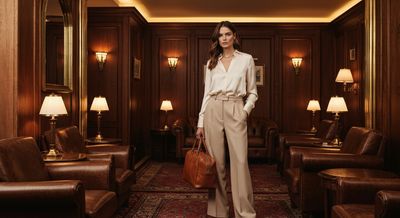
Last week I stood in the lobby of a boutique hotel in Munich's Glockenbach neighborhood, surrounded by Italian terrazzo, hand-woven kilim rugs, and a concierge who knew my name before I even said it. Less than 200 meters away, I could have stayed in a faceless chain hotel for the same price. The difference? In that moment, I didn't feel like guest number 247, I felt like someone who was welcome. Boutique hotels have that gift, turning a simple overnight stay into an experience that still lingers weeks later.
Since I started deliberately choosing unique hotels, my whole way of traveling has fundamentally changed. I no longer collect hotel chain points, I collect stories. Every one of these special places tells its own story, whether through the architecture, the art collection in the hallways, or the bartender explaining exactly why this particular gin comes from the surrounding region. According to a 2024 Statista study, 68 percent of German travelers between 25 and 45 prefer hotels with individual character over standard chains when the price difference is under 15 percent.
What Makes a Real Boutique Hotel
A boutique hotel isn't defined by its number of rooms, but by its attitude. Most of these properties have under 50 rooms, many even under 20. What matters is the curated atmosphere. At the 25hours Hotel The Circle in Cologne, the city's media history is reflected in every detail, from the newspaper-archive wallpaper to typewriters used as decor pieces. At Munich's Louis Hotel in the Viktualienmarkt quarter, they go for Japanese-inspired minimalism with handcrafted ceramic sinks from the Upper Palatinate.
Personal service is fundamentally different from luxury hotels, which often operate with distance and formality. At a good boutique hotel, the receptionist asks you on your second visit whether you'd like the ginger tea again for breakfast. They know your name, remember your preferences, and treat you like a good acquaintance, not a suite number. This intimacy isn't an accident, it's the result of small teams who genuinely take responsibility for the guest experience.
How I Find Special Boutique Hotels for My Trips
My first stop is specialized platforms like Tablet Hotels or Mr & Mrs Smith, which list exclusively curated accommodations. Unlike Booking.com or Expedia, only properties that meet real design or service standards make it through the admission process here. I deliberately filter for room counts under 40 and always read the negative reviews first. If someone complains about overly quirky room sizes or a missing minibar, I know: that's probably exactly my kind of place.
Instagram has become my visual scout. Hashtags like #boutiquehotelsgermany or #designhotelberlin show authentic guest experiences, not retouched press photos. If I find at least three users photographing the same detail, a particular lamp, a view, a bathtub, then I know that element really stands out. During my last research trip for Hamburg, that's how I discovered Superbude in St. Pauli, where every room was designed by a different local artist.
My Checklist for Choosing a Hotel
- A maximum room count under 50, ideally under 30 for real attentiveness
- At least 5 authentic bathroom photos in the reviews, not just of the hotel itself
- The designer or architect explicitly named on the website, showing pride in the design
- Personally written responses from the hotel to negative reviews within 48 hours
- Visible local collaborations: a restaurant with a regional concept, a bar working with distilleries from the area
The Difference Between a Boutique Hotel and a Luxury Hotel
I hear this question constantly, because the lines are blurring. A luxury hotel operates on perfection and predictability. You know the bathroom will have Molton Brown or Bulgari products, that the concierge will fulfill any wish, and that the breakfast buffet will have 45 items. A boutique hotel, on the other hand, banks on surprise and personality. At Tortue Hamburg, there are no standard toiletries, but handmade soap from the local Seifenmanufaktur Schmidt. Breakfast might have only 12 items, but each one comes from a regional producer.
According to a 2024 GfK Consumer Life Study analysis, 73 percent of German boutique hotel guests rate the emotional value of their stay higher than at comparable luxury hotels. The difference lies in authenticity. I can experience perfect service at a five-star property and still feel interchangeable. At a good boutique hotel, I feel seen, because the owner personally tips me off to watch the sunset from the rooftop terrace, not because it's written in a service manual.
The Two Categories Overlap in Price
The cliché that boutique hotels are cheaper hasn't been true for a long time. In Berlin, I pay between 220 and 380 euros a night for the Orania.Berlin in Kreuzberg, depending on the season. That's on par with many luxury chains. The difference is what I'm paying for: not a marble lobby and a spa landscape, but a hand-picked vinyl collection in the room, an in-house radio station, and the fact that the bartender knows after two visits that I like my Negroni with extra orange.
The Most Beautiful Boutique Hotels for City Trips in Germany
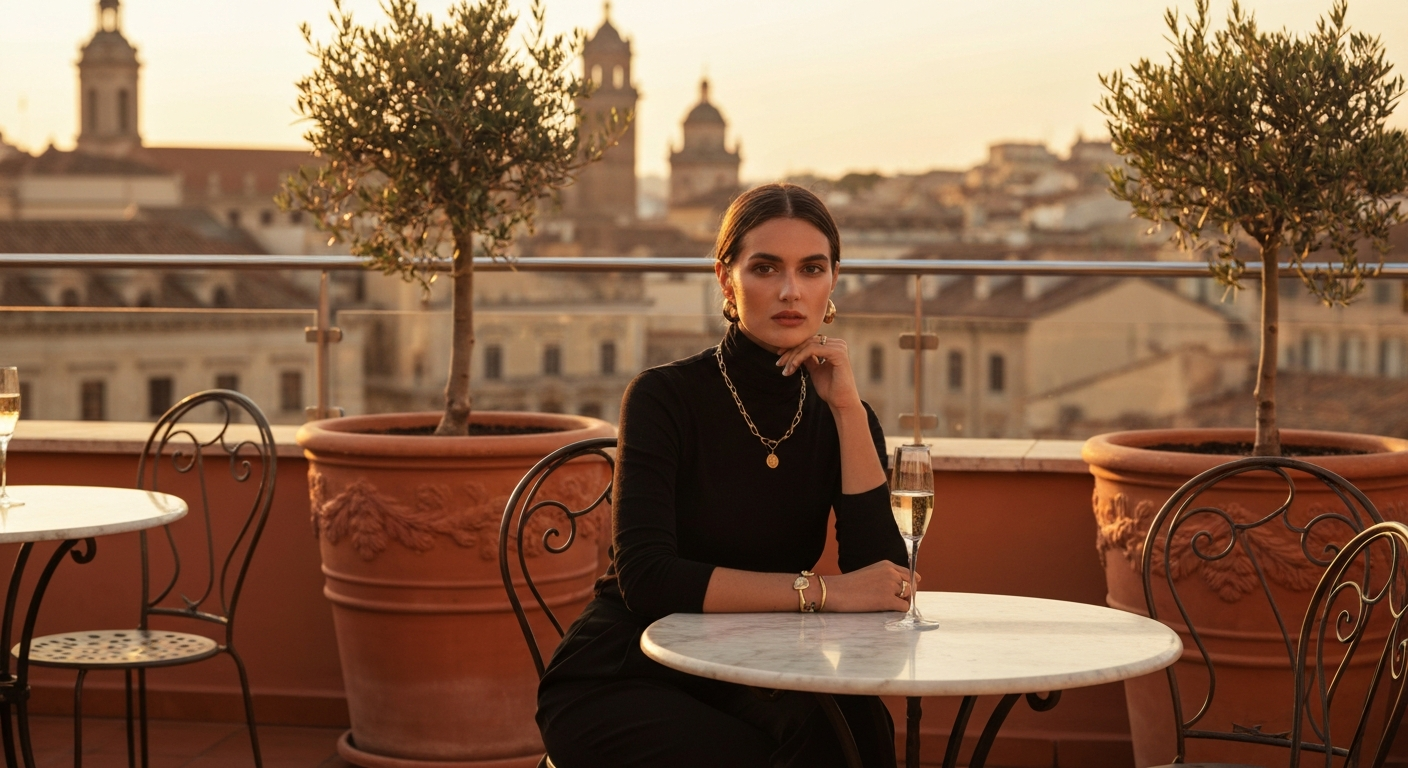
My personal top picks are based on at least two stays of my own at each property. In Berlin, the Michelberger Hotel in Friedrichshain remains my favorite for its mix of design and community feeling. The 119 rooms are spread across various categories from Tiny to Loft, all with individually designed furniture from local workshops. The restaurant works with over 30 Berlin producers.
For Munich, I recommend the Platzl Hotel right next to the Hofbräuhaus, which sounds touristy at first. In fact, the property blends Bavarian tradition with contemporary design: loden upholstery on modern armchairs, antler chandeliers made of crystal. The 167 rooms make it larger than a classic boutique definition, but the service is so personal that I still count it among them. At check-out on my third visit, the front desk knew my preferred breakfast spot by the window.
Hamburg and Cologne Round Out My Germany List
The Tortue Hamburg, already mentioned above, in the Stavenhagenhaus, blends historic architecture with French-inspired design. The 126 rooms play with the building's history, each floor telling a different era. Here I also see the connection to personal development, similar to my journaling routine, through which I found clarity, both require the willingness to engage with something deeper than just the surface.
In Cologne, the Mauritzhof Hotel in the Belgian Quarter surprised me. The 24 rooms in a converted 17th-century monastery combine exposed brick walls with Scandinavian furniture. The courtyard with a fig tree turns into a breakfast oasis in summer, and there's an open fireplace there in winter. It's precisely this attention to seasonal adjustments that shows the hand of owners who genuinely think things through.
What to Watch For When Choosing a Boutique Hotel
The design has to suit you, not your Instagram feed. I made the mistake of booking a hyper-modern design hotel in Frankfurt because the photos looked spectacular. Once there, I felt uncomfortable in the minimalist concrete rooms, too cold, too impersonal. Since then, I check beforehand whether the aesthetic matches how I actually like to feel at home. Do I like warm materials like wood and leather, or do I feel more comfortable in clean, reduced spaces?
Location determines the experience. Boutique hotels on the outskirts might be quieter, but I miss out on the local atmosphere. My best discoveries have come from properties right in the middle of lively neighborhoods. The Motto am Fluss in Vienna sits directly on the Danube Canal in a former customs building, surrounded by bars, galleries, and the city's urban pulse. A bakery two doors down in the morning, the wine bar across the street in the evening, that's how I experience a city authentically.
The Food & Beverage Area as a Quality Indicator
I always check out the bar and restaurant, even if I have no plans to eat there. A good boutique hotel understands these areas as part of the concept, not a necessary evil. Does the kitchen work with local producers? Is there a thoughtful wine list with regional selections? Is the bar attractive to non-guests too, so hotel guests mix with locals? These details show whether the hotel is genuinely rooted in its city or is just a design shell.
Similar to vernissage etiquette, where I learned how important the right atmosphere is, the same applies here: the mood makes the difference. A boutique hotel can be perfectly furnished, but if the energy isn't right, the magic is missing.
Finding Boutique Hotels With Personal Service
Personal service starts before booking. I write to hotels directly, ask a specific question, say for restaurant recommendations off the tourist path, or whether I can safely store my bike. The quality and speed of the response tells you an incredible amount. Do I get a standard email with copy-pasted boilerplate text, or does someone take the time to write an individual reply with concrete tips?
After booking, I pay attention to pre-arrival communication. Good boutique hotels ask about preferences: early check-in desired, particular pillow preferences, allergies for breakfast. Casa Cook Rhodes contacted me three weeks before arrival with a questionnaire about my interests, so they could give me personalized excursion tips. This investment in advance information pays off in a massively improved stay.
The Team Determines the Experience
I watch the team dynamic at check-in. Is there friendly interaction between staff members? Do they seem relaxed or stressed? At a hotel in Leipzig, I saw the receptionist wave to the housekeeping staff member and greet her by name. That respectful rapport translates directly into guest service. Where teams value each other, guests get valued too.
The best tips never come from management, but from the staff. The night porter at Hotel Daniel in Vienna gave me the secret tip for the best breakfast in the Karmeliterviertel, the housekeeping manager recommended a hidden secondhand shop three streets over. These insider tidbits are worth their weight in gold, and they only happen when staff feel free to be personal instead of reciting a script.
What a Boutique Hotel Stay Realistically Costs
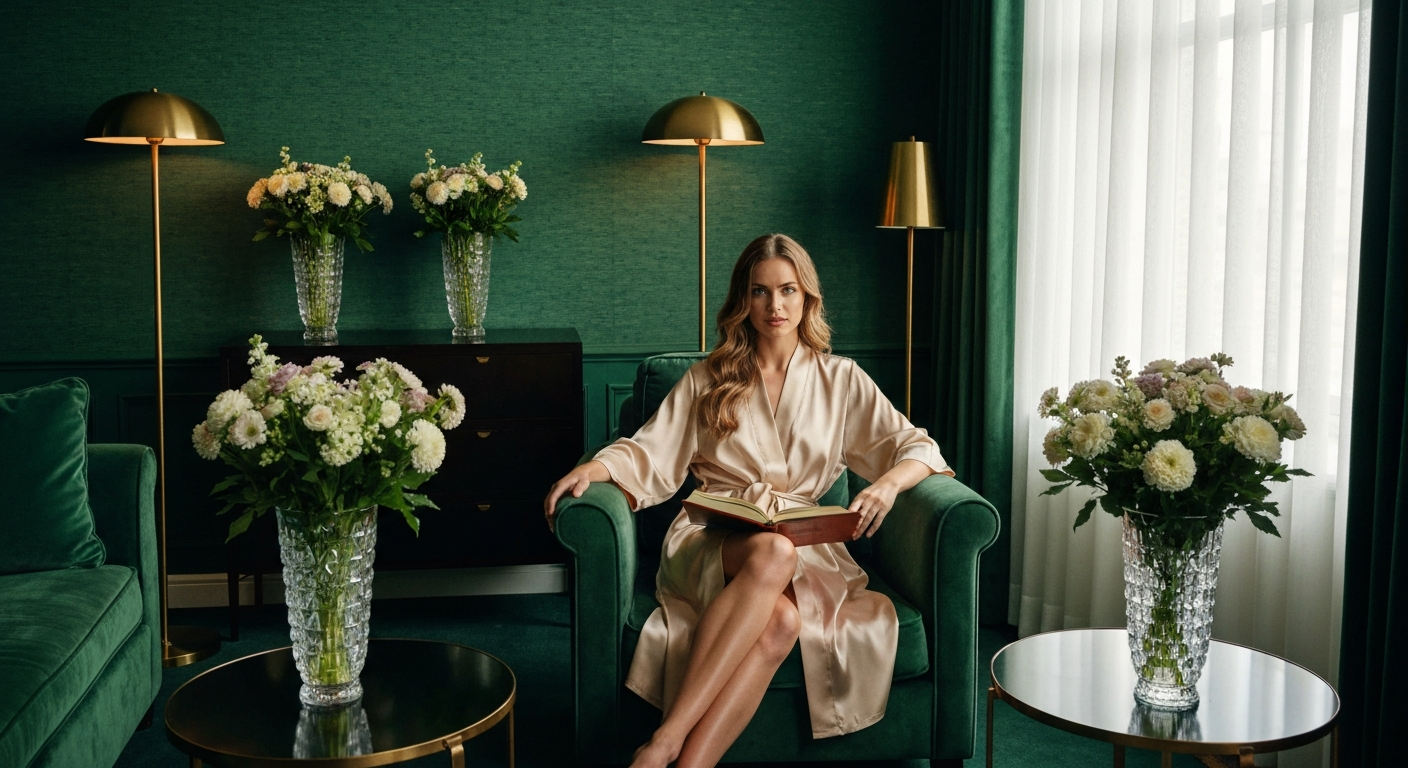
In German cities, the price range sits between 120 and 400 euros a night for a double room. Berlin and Munich sit toward the upper end, while cities like Leipzig, Dresden, or Freiburg offer excellent boutique hotels starting at just 140 euros. In my experience, the sweet spot is 180 to 250 euros. In that segment, I get genuine design, personal service, and often more interesting food and beverage concepts than at budget boutique hotels.
Early-booking discounts work differently here than with chains. Many owner-run properties don't offer aggressive discounts, but instead offer extras for direct booking: a free upgrade, a welcome drink, a late check-out. The Qvest Hotel Cologne automatically gave me a room upgrade to a suite with a cathedral view on my second visit, because I'd booked directly through their website. Gestures like that pay off more in the long run than a ten percent discount.
Frequently Asked Questions About Boutique Hotels
How is a boutique hotel different from a design hotel?
A design hotel is defined primarily by exceptional design and architecture, but can absolutely be part of a chain. Boutique hotels are usually owner-run or part of small groups, and alongside design, they place particular value on individual service and local roots. A design hotel can have 200 rooms, a true boutique hotel rarely more than 50.
Are boutique hotels worth it for business trips?
Absolutely, if the property offers the right basics. I check in advance: stable Wi-Fi throughout, a desk in the room, the ability to make calls quietly. Many boutique hotels have small co-working areas or libraries that are perfect for focused work. The advantage over business hotels: after the meeting, I sit in an inspiring setting instead of a soulless lobby.
Can I stay at boutique hotels with children?
That depends a lot on the concept. Many boutique hotels deliberately position themselves as adults-only, or aren't child-friendly by design and atmosphere. But there are exceptions: the Townhouse Düsseldorf offers family rooms with thoughtful details like children's bathrobes and local toys. I recommend asking directly beforehand rather than relying on the website.
How do I find sustainable boutique hotels?
I look for concrete certifications like Green Globe or the EU Ecolabel, not vague sustainability promises on the website. Other good indicators are: no single-use plastic in the bathroom, local food for breakfast with producers named, an energy concept using renewable sources. The Schindlerhof Hotel in Nuremberg produces 80 percent of its own electricity and runs its own apiary for the breakfast honey.
Are there boutique hotel chains that preserve the character?
Small groups like Design Hotels or Small Luxury Hotels of the World curate independent properties without smothering their individuality. Each hotel keeps its own concept, but benefits from shared booking platforms and quality standards. Ruby Hotels, a German group, also manages to implement a locally adapted concept in every city, even though there are now 18 properties.
My Conclusion on the Boutique Hotel Experience
Boutique hotels have fundamentally changed my relationship with travel. These days I sometimes plan city trips backward: choose the hotel first, then discover the city around it. These properties are no longer just places to sleep, they're part of the experience. When I think back to my trip to Barcelona, I remember breakfast on my hotel's rooftop terrace just as vividly as the Sagrada Família.
The added value lies on the emotional level. In a world full of standardized experiences, boutique hotels offer me something rare: the feeling that someone genuinely thought about how I should feel. It starts with a handwritten welcome card and ends with the bartender remembering my name after three days. This kind of attention can't be scaled or replaced by processes, and that's exactly why it's so valuable.
My recommendation for getting started: pick a city you already know, and try a boutique hotel instead of your usual accommodation. You'll see the same streets with different eyes, because you're starting from a place that already tells its own story. And who knows, maybe you'll discover, like I did, that the right accommodation matters just as much as the right destination.