Learning Wine Tasting: My Path to Becoming a Connoisseur
Reading time: 11 minutes
When my date handed me the wine list at Le Ciel in Vienna last autumn, I felt my pulse quicken. Bordeaux, Burgundy, Barolo: back then, these names were just pretty-sounding words without any real meaning to me. In that moment I realized that learning wine tasting belongs to my elegant lifestyle just as much as the right handbag. Today I sit through tastings with ease, can tell a Châteauneuf-du-Pape from a Chianti, and feel confident in upscale restaurants.
Understanding wine culture as a young woman meant more to me than developing good taste. It was an investment in my personal development that opened doors and deepened conversations. According to a 2023 Statista survey, Germans spend an average of €5.80 per bottle of wine, but in the premium segment the figure is considerably higher, at €15 to €50. Recognizing these differences in quality makes all the difference between insecurity and confidence.
My First Wine Tasting at Vienna's Palais Coburg
I booked my first professional tasting in March 2023 at the Palais Coburg Residenz, whose wine cellar, with over 60,000 bottles, is among the most significant in Europe. The sommelière course for beginners cost €180, an investment that paid off many times over. There were eight of us, and the expert, Michaela Hirsch, took us systematically through six white wines from Austrian regions.
Right from the first glass, I learned that wine tasting has to be explained to beginners like a new language. It isn't about innate talent but about techniques you can learn. Michaela showed us the five S's method: See, Swirl, Sniff, Sip, Savor. Every step has its purpose. When swirling, we release oxygen, which intensifies the aromas. When sniffing, we distinguish between primary fruit aromas and secondary notes like vanilla or toast that come from aging in oak barrels.
After two hours, I could already tell a 2022 Grüner Veltliner from the Wachau from a Riesling from the Kamptal. The Veltliner showed typical peppery notes, the Riesling a clearer acidity structure with citrus aromas. Being able to name these concrete differences gave me a completely new sense of confidence.
How Do I Learn to Taste Wine Properly: The Technique Behind the Enjoyment
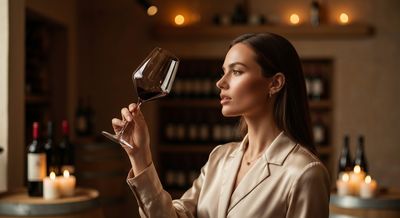
A professional wine tasting follows a precise sequence that I've used at every dinner since. First I look at the color against a white surface: a pale straw yellow points to a young white wine, while a golden tone suggests maturity or barrique aging. In red wines, a brownish rim at the edge of the glass indicates advanced age.
When smelling, I distinguish three levels of intensity: first without swirling, then after a gentle swirl, and finally after a vigorous swirl. This technique reveals different layers of aroma. A 2020 vintage Burgundy that I recently tasted at Tantris in Munich showed restrained cherry notes at first; after swirling, forest floor, leather, and a fine hint of strawberry emerged.
The actual tasting calls for a special slurping technique in which I draw air through the wine. That may sound odd at first, but it lets the aromas reach the back of the palate and the nasal cavity. Professionals call this retronasal smelling; according to the German Wine Institute, this is how we perceive 80 percent of the nuances of flavor.
The Five Flavor Components in Wine
With every tasting, I now pay attention to five elements: sweetness, acidity, tannin, alcohol, and body. A balanced wine shows harmony between these components. Too much tannin feels furry and astringent, too much acidity makes the wine seem sharp. By contrast, a wine with too little acidity comes across as flat and boring.
With a Barolo I tried in November 2023 at the Kronenhalle restaurant in Zurich, I understood the importance of structure for the first time. The firm tannins of the Nebbiolo wine harmonized perfectly with the beef fillet served alongside. The sommelière there explained to me that such a wine has to age at least 38 months, 18 of them in wooden barrels, a legal requirement of the Barolo denomination that guarantees quality.
Recognizing and Enjoying Fine Wines: My Quality Criteria
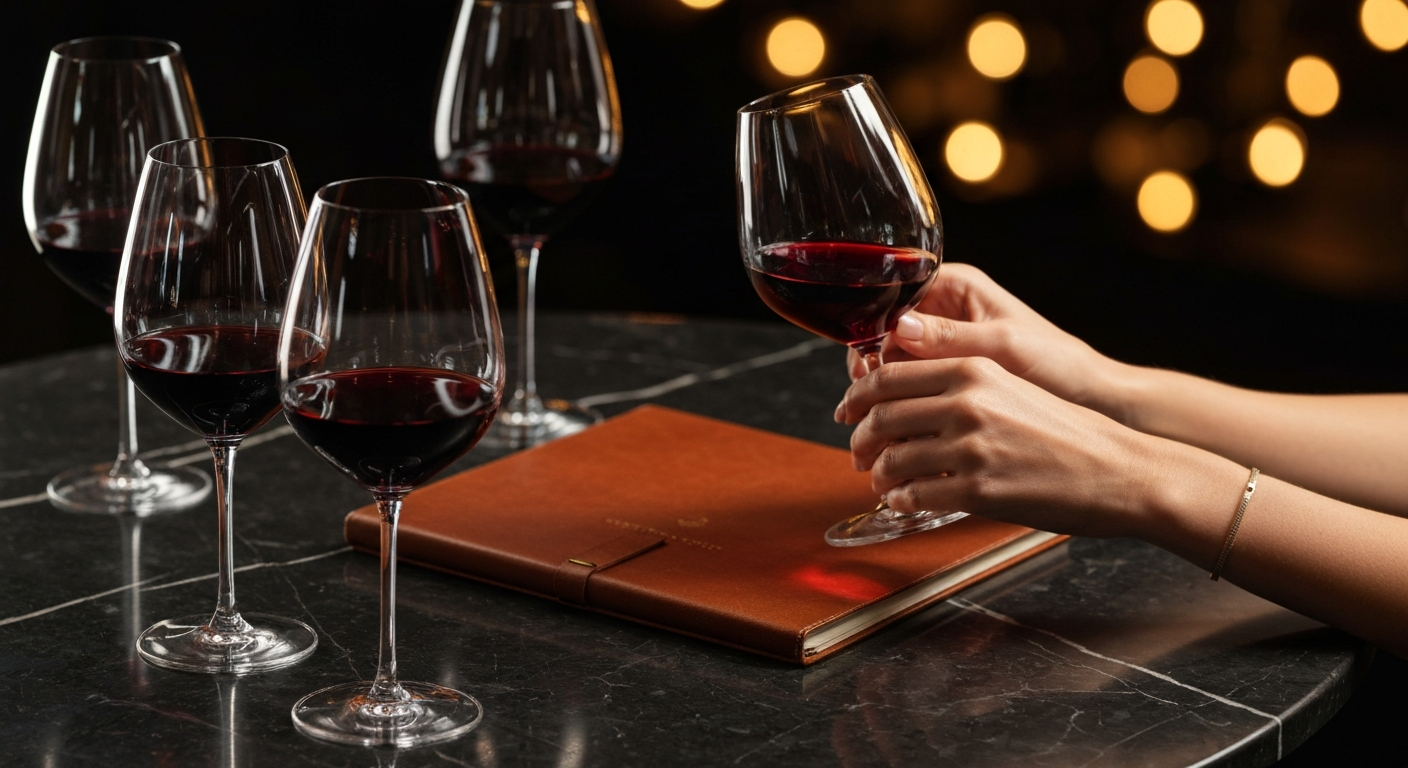
After a year of intensively learning wine tasting, I recognize quality by several factors. A high-quality wine shows complexity: it reveals not just one dominant aroma but several layers that develop in the glass. I pay attention to the length of the finish: how long do the aromas stay noticeable after swallowing? With a 2015 Château Margaux that I got to try at a dinner in Hamburg, the notes of blackcurrant, cedar wood, and graphite were still present for minutes.
Balance is another indicator. According to a 2024 study by the Geisenheim Institute for Wine Research, 73 percent of German wine consumers prefer harmonious wines over extremely powerful or acid-driven ones. You can train this sense of balance by deliberately comparing wines of the same grape variety from different regions.
I started keeping tasting notes. In my wine journal, I describe every wine I try using a fixed scheme: color, smell, taste, finish, and personal impressions. After almost 150 documented wines, I now recognize patterns and can name differences in quality clearly.
Understanding Regional Differences
A turning point for me was a vertical tasting at the Brückeneck wine cellar in Frankfurt, where we tried the same Riesling from the Dr. Loosen estate across five consecutive vintages. The difference between a warm vintage like 2018 and a cooler one like 2021 was impressive. The 2018 showed ripe peach and apricot aromas at 13.5 percent alcohol by volume, while the 2021 came across leaner at 11.5 percent with a clear citrus note.
This experience taught me that wine quality isn't absolute but depends on personal taste and the right occasion. A light summer wine on Lake Zurich serves a different purpose than a powerful red for a winter dinner in the mountains.
Wine Tasting Tips for Everyday Life: How I Built My Expertise
I began building my wine education systematically. Once a month I attended tastings with different providers, from the big wine merchant Jacques' Wein-Depot to small wine shops like Weinladen Kreis in Berlin's Prenzlauer Berg. Costs ranged from €25 for simple introductions to €120 for premium tastings with winemakers.
Alongside that, I invested in specialist literature. Jancis Robinson's "The Oxford Companion to Wine" became my standard reference, as did Hugh Johnson's "The Story of Wine". I learned to tell growing regions apart and understood why a Chablis tastes more mineral than a Pouilly-Fuissé even though both are made from Chardonnay grapes: the Kimmeridgian limestone soils in Chablis shape the character decisively.
My most practical wine tasting tips for getting started are:
- Begin with light wines and work your way up to heavy reds, because tannins dull your taste buds
- Drink still water between wines and eat plain white bread to reset your palate
- Write down your impressions immediately, before the next wine overlays the memory
- Don't go to tastings hungry, since alcohol is absorbed faster on an empty stomach and distorts your perception
- Focus on six to eight wines per session at most, after which your attention fades
From Knowledge to Practice: Confidence in Upscale Restaurants
The biggest test came at a dinner at the Lorenz Adlon Esszimmer restaurant in Berlin. My companion asked me to choose the wine. The sommelier's recommendation was a German Spätburgunder (Pinot Noir) from the Meyer-Näkel estate in the Ahr Valley, vintage 2019, for €145. I could see why: the wine matched the planned venison fillet perfectly, and its elegance and moderate tannin structure wouldn't overwhelm the game.
I asked for a taste, checked the color and smell, and nodded in approval. In that moment I felt no insecurity at all. The sommelière knowledge I had worked for gave me the composure I had wished for. Much like on my path to clear boundaries in relationships, it had been a process of conscious learning and practice.
Today, choosing the wine is one of my strengths on a date. I can hold a conversation about terroir, understand the meaning of appellations, and know when a wine has reached its drinking window. This competence opens doors, both in social situations and when networking in upscale circles.
Investing in Wine Education: What It Cost Me
In my first year I invested around €2,400 in my wine education: €1,200 for tastings and courses, €800 for wines for self-study, and €400 for specialist literature and accessories such as suitable glasses. The Riedel Veritas set for €140 was a sensible purchase, since the right glass shape really does influence how you perceive aroma, as a 2022 study from the University of Tokyo confirmed.
This investment paid off several times over. Not only in the form of self-confidence, but also through the contacts I made at tastings. At a tasting at the Weinhaus Schwarzer in Munich, a businessman from the real estate industry got drawn into a conversation about Bordeaux classifications; three months later I accompanied him to a wine auction at Christie's in London.
Finding the Right Course

For beginners, I recommend the WSET Level 1 course (Wine & Spirit Education Trust), which is internationally recognized and costs about €350. The two-day course teaches the basics of grape varieties, winemaking, and tasting technique. In Germany, about 30 authorized training centers offer these courses, including the Weinschule Frankfurt and the Berliner Wein Akademie. WSET courses are also available in many other countries, so check for a provider near you.
If you want to go deeper, you can take WSET Level 2. This three-day course costs around €650 and covers important wine regions worldwide. I completed it in June 2024 and have since been able to talk knowledgeably about vineyard climate, aging methods, and international quality systems.
Alternatively, many wine merchants and wine shops offer free or inexpensive beginner tastings. The Hawesko chain organizes monthly themed evenings for €15 to €35 where you try four to six wines around a particular theme. That way you learn step by step without investing big sums right away.
Frequently Asked Questions About Wine Tasting
How long does it take until I really master wine tasting?
In my experience, a solid understanding develops after about six to twelve months of regular tastings. You should attend professional tastings at least twice a month and also compare wines deliberately at home. I noticed the first clear progress after three months, when I began to tell grape varieties apart blind. I reached full confidence after a year and about 100 wines tried. The German Wine Institute states that professional sommeliers should have tasted at least 1,000 wines, so it's a continuous learning process.
Do I have to buy expensive wines to learn about quality?
No, wines between €8 and €20 are perfectly enough to start. Direct comparison matters more: buy three different Rieslings from different regions for €12 each and taste them side by side. You'll learn more that way than from a single €40 bottle. I began with mid-priced German wines and worked my way up slowly. Only after half a year did I invest in more expensive bottles to understand the differences from premium wines. Tastings at specialist merchants are also good training, since you can try high-quality wines without having to buy whole bottles.
How do I remember all the different aromas and terms?
I work with an aroma wheel that you can download for free from the German Wine Institute. It visualizes the main wine aromas from fruity through spicy to mineral. I also keep a tasting diary in which I describe each wine in my own words. Writing it down cements the memory far better than just tasting. Also link aromas to personal memories: when a wine smells of currants, I think of the bushes in my grandmother's garden. Associations like these help with recognition. After three months, I could confidently name 15 to 20 typical wine aromas.
What mistakes should I avoid at my first wine tasting?
Don't wear strong perfume, as it completely overpowers the wine aromas. I made this mistake at my first tasting and could hardly smell anything. Also avoid heavily spiced food beforehand: chili, garlic, or mint distort your sense of taste for hours. Don't drink the wines too quickly in a row; take at least five minutes per wine. And don't be afraid to give your honest opinion. There is no right or wrong in personal taste, only technical criteria for assessment. Much like with communicating my expectations clearly, I learned to be authentic instead of trying to imitate experts.
Can I also learn wine tasting online?
You can build theoretical knowledge well online. Platforms like Wine-Spectator.com or Vicampo's wine school offer video courses from €99. YouTube channels like "Uncorked with Julien Miquel" teach the basics for free. However, that doesn't replace hands-on experience. I combined online courses with regular live tastings. The theoretical knowledge helped me place what I was tasting. Since 2023, some providers have also offered hybrid formats: you get wine samples sent to your home and taste them alongside a live stream with a sommelière. That costs about €60 to €80 per session and is a good alternative if there are no in-person tastings near you.
My Conclusion: Wine Tasting as an Investment in Myself
Learning wine tasting was one of the most valuable decisions for my lifestyle. It goes far beyond pure enjoyment; it's cultural capital that opens doors and deepens conversations. Today I move confidently in top restaurants, can read a wine list competently, and choose the right pairing for the menu. This competence earns me respect and makes me an interesting conversation partner.
The road there took time, practice, and financial investment. But as with every aspect of personal development, from a well-thought-out skincare routine to a strategic wardrobe, conscious learning pays off. Start with a professional beginner's tasting, keep notes, and taste regularly. After a year, you'll look back and be amazed at how far you've come. Your first wine tasting isn't the goal but the beginning of an enjoyable journey toward more confidence and quality of life.