Gallery Opening Etiquette: My Way Through the Art World
Reading time: 10 minutes
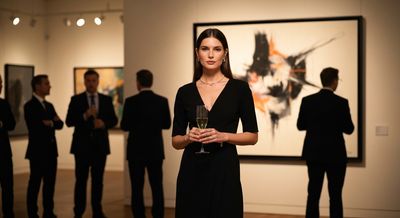
Last autumn I stood in the Galerie König on Dessauer Ufer in Berlin with a champagne flute in my hand, completely unsure how to approach the group of artists, and it hit me: the art world has its own rules of the game. After more than 30 openings in Munich, Berlin, and Vienna, I've internalized vernissage etiquette, and today I move confidently between conversations with collectors and spontaneous artwork purchases. Here I'm sharing my tried-and-tested strategies so you can walk into your first or next art exhibition with style and confidence.
From the outside, the art world often seems elitist and unapproachable. In reality it follows clear codes that any of us can learn. Openings aren't just cultural events; they're also perfect networking opportunities and places to broaden your horizons. I've learned that genuine interest in art and a few basic rules of gallery etiquette open the doors to this fascinating world.
The Perfect Dress Code for a Vernissage
When it comes to vernissage behavior, everything starts with the right outfit. I go by the formula "elegant, but not overdressed." At the opening of the Anselm Reyle exhibition at Galerie Bärbel Grässlin in Frankfurt, I wore black wide-leg trousers from COS (€129), paired with a silky blazer and minimalist gold hoops. It was exactly right: not too business, not too cocktail party.
My proven wardrobe for art exhibitions consists of monochrome looks in black, white, gray, or camel. Why? Because the art should be the center of attention, not your outfit. A 2023 study by the Fashion Institute of Technology showed that 67% of gallerists prefer neutral tones on visitors because they don't influence how the artworks are perceived. At very exclusive events like the Art Basel preview, you can be a little more extravagant, and a statement piece such as an unusual brooch or a vintage clutch works wonders.
The right color choice for your outfit sends subtle signals about your personality. Avoid loud neon colors or eye-catching patterns that distract from the exhibits. Shoes should be closed, ideally elegant pumps or loafers with a heel of no more than 7 cm (about 2.75 inches). At my first opening at Hauser & Wirth Munich, I stood for 3 hours, and ever since I've sworn by comfortable designer shoes over fashion-victim heels.
The Art of Conversation at Openings
Making conversation at a vernissage as a beginner can feel intimidating. My breakthrough came when I realized: you don't have to be an art historian. I ask open questions like "What fascinates you about this piece?" instead of trying to impress with expert knowledge. At the Katharina Grosse opening at Gagosian Gallery, a collector taught me that authenticity counts for more than book-learned knowledge.
Here are my concrete conversation starters that always work:
- Ask about the story behind the exhibited series, directly to the artist or gallerist
- Show interest in the technique used: "Is that oil on canvas or mixed media?"
- Ask about the gallery's upcoming exhibitions
- Share your personal reaction to a piece: "This painting evokes a feeling of... in me"
According to a 2024 survey by the German Federal Association of Galleries and Art Dealers (BVDG), 82% of gallerists value visitors who ask honest questions more than those who show off with half-knowledge. The trick is to listen. At an opening at Galerie Thaddaeus Ropac in Salzburg, I made three valuable contacts through active listening, picking up on threads from conversations.
Networking Without Being Pushy
The rules of the art world demand subtlety when networking. I only hand out my contact details when a conversation steers there organically. On my third visit to Galerie Eigen + Art, I learned that "May I invite you for a coffee to hear more about your collection?" is far more elegant than clumsily swapping business cards. By now I keep a small notebook where I jot down names, conversation topics, and follow-up ideas after the event.
Timing and Behavior During the Vernissage
How should you behave at a vernissage? The golden rule: arrive 30 to 45 minutes after the official start. At the opening at the Hamburger Kunsthalle, I came too early and stood lost amid the last-minute preparations. If you arrive too late, you miss the artist's speech and the prime time for conversation. Most openings last 2 to 3 hours, and I plan for at least 90 minutes.
Move slowly through the rooms. I spend at least 2 minutes per work, step back, and look at the details. That signals serious interest. Avoid loud laughing or phone calls in the exhibition rooms. The first time I attended a preview at the Pinakothek der Moderne, I noticed that regulars put their phones on silent and only take calls in the foyer.
Photography is a delicate subject. Always ask the gallerist first or look for signs. In 70% of the galleries I've visited, photography without flash was allowed, but sharing on social media only after checking in. I take discreet reference photos for myself, but only post after the event and tag the gallery respectfully.
Champagne Etiquette and Food Manners
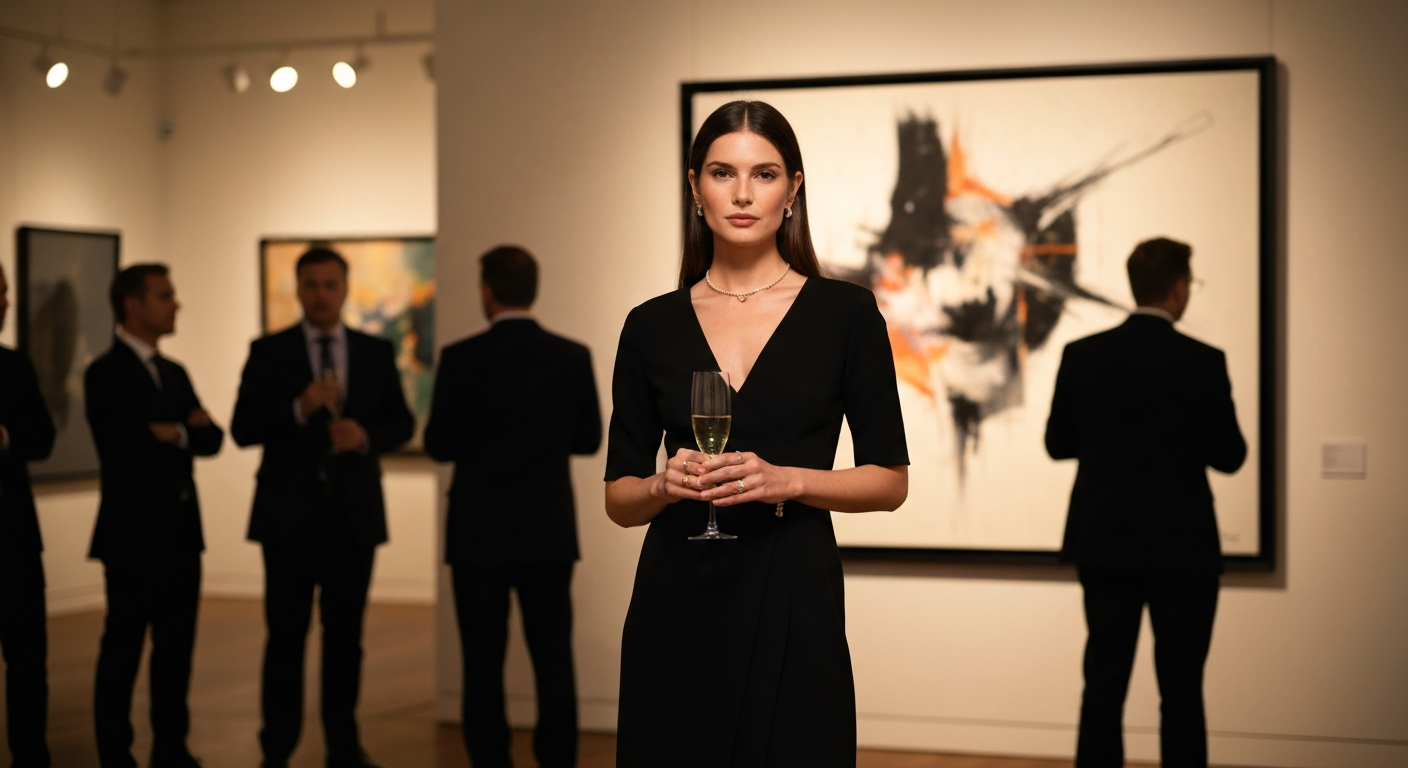
What to wear to an art exhibition is settled, but how do you handle the catering? At openings there's usually sparkling wine, wine, and small bites. I have two glasses at most during the entire event. At Art Cologne 2024, I watched a visitor get too loud after her third prosecco and lose credibility. Alcohol is there for a convivial atmosphere, not for consumption.
Hold your glass in your left hand so your right stays free for handshakes. If you eat, do it discreetly. I avoid canapés with garlic or onions and choose small, elegant bites. I learned proper wine tasting separately so that I'd come across as confident at events like these. A light sip to accompany the conversation, never a hasty gulp.
Handling Interest in Buying Art
If a work truly speaks to you, signal your interest discreetly. I say to the gallerist: "This piece really impresses me. Could I learn more about availability and terms?" At Galerie Neugerriemschneider in Berlin, I learned that about 40% of sales at openings are only closed days later. You don't have to buy right away. Reputable galleries are happy to email you a price list. Prices are never discussed out loud; that's an unwritten law of gallery etiquette.
After the Vernissage: Follow-Up and Nurturing Relationships
My first vernissage tips for young women also include what comes afterward. Within 48 hours, I send a short, personal email to people I had interesting conversations with. "It was inspiring to talk with you about XY's series. I'd love to stay in touch." That opens doors. After my first preview at Sprüth Magers, an email like this got me an invitation to a collectors' dinner.
Nurture these contacts like a delicate seedling. I regularly visit the same galleries, remember previous conversations, and show continued interest. According to an analysis in the Art Market Report 2023, 60% of first-time gallery buyers become regular customers through personal relationships, not anonymous purchases. Your presence is appreciated even if you don't buy at every opening.
Much like strategic wealth building, the art world is about long-term relationships and smart investments in your network. I sign up for newsletters, follow the galleries on Instagram, and occasionally leave thoughtful comments on their posts. That keeps me in the conversation and shows genuine engagement.
Common Mistakes I Made Myself
In my early days, I made a few blunders. At my second opening at Galerie Meyer Riegger in Karlsruhe, I stood in front of one work for too long and blocked other people's view. I learned: always leave space, especially at busy events. Another mistake was leaving too early. Anyone who disappears after 30 minutes looks uninterested. I now stay at least until the halfway point of the scheduled time.
I once even tried to take a selfie with an artwork before asking permission. The gallerist was not amused. Today I know: respect for the space, the works, and the people always comes first. Another embarrassing moment was when I tried to shine with expertise on Cubism and mixed up historical dates. Since then my rule is: better to admit you don't know something than to bluff.
How Do I Find the Right Openings for My Style?
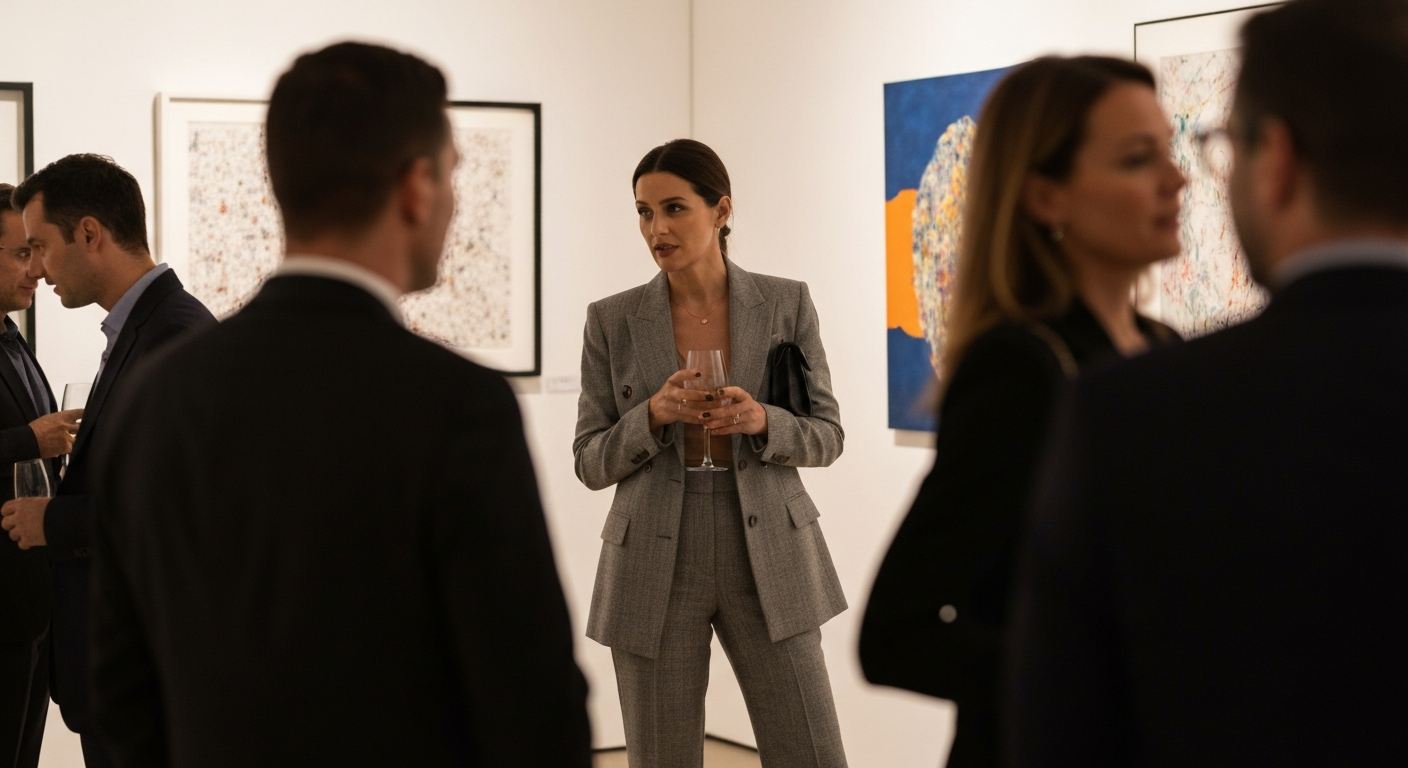
Not every opening suits you. At first I went to everything and noticed that contemporary art and photography are my thing, and classical painting less so. Platforms like Artsy.net or the "Artland" app show openings in your city with filter options. In Munich I follow the gallery walk in the Kunstareal, and in Berlin the Gallery Weekend (every year at the end of April).
To get started, I recommend public museum openings like the previews at the Lenbachhaus Munich or the Museum Ludwig in Cologne. The atmosphere there is less exclusive than in private galleries, so you can ease in slowly. That's where I learned how art professionals behave before I went to high-end galleries. Small, independent galleries in neighborhoods like Berlin-Mitte or Munich's Glockenbach are also more approachable for newcomers.
When Is the Right Time for Your First Vernissage?
Now. Don't wait for the perfect moment or until you "know enough." I went to my first opening at 23, with no clue about art history. I learned more by simply showing up than from months of reading books. The art world is more accessible than its reputation, as long as you arrive with respect, curiosity, and openness.
FAQ: Your Questions About Vernissage Etiquette
What should I wear to my first vernissage?
Choose an elegant, understated look in neutral colors like black, white, or beige. A well-fitting pair of trousers or a simple dress combined with a blazer and closed shoes is ideal. Avoid eye-catching patterns or loud colors that distract from the art. Invest in one high-quality basic for €100 to €200 rather than fast-moving trends.
How should I behave at a vernissage if I don't know anyone?
Arrive 30 to 45 minutes after the start, take your time to look at the works, and ask open questions of the gallerist or other visitors. A simple "What's your first impression of this exhibition?" opens conversations. You don't need to know anyone to take part. By definition, openings are networking events where new contacts are welcome.
Can I take photos at openings?
That varies by gallery and exhibition. Always ask the gallerist first or look for posted notices. In about 70% of cases, photography without flash is allowed, but only post pictures on social media after checking in. Respect the artists' copyrights and the gallery's house rules.
How long should I stay at a vernissage?
Plan for at least 90 minutes. That gives you time to see the exhibition in peace, hear the artist's speech, and have conversations. Leaving too early looks uninterested; staying too long can seem intrusive. When the number of visitors drops noticeably, it's a good signal to head out.
Do I have to buy art at openings?
Absolutely not. Very few visitors buy at every event. Openings are for cultural exchange, getting to know artists, and networking. Show honest interest in the art, ask questions, and build relationships. Purchases happen organically when you find the right work at the right time and it fits your budget.
My Conclusion: Art World Etiquette Can Be Learned
Vernissage etiquette may seem complex at first, but it's no secret science. With the right outfit, genuine interest, and a few basic rules of gallery etiquette, you'll move confidently through any art exhibition. Over the last three years, regular openings have not only broadened my cultural horizons but also helped me build a valuable network and learn to see art as an investment.
Start small, attend your first vernissage at an accessible gallery in your city, and gather experience. With every event you'll grow more confident, your feel for appropriate vernissage behavior will sharpen, and soon you'll be one of the regulars yourself. The art world opens up to those who enter with respect, curiosity, and a sense of style. I'll see you at the next opening.